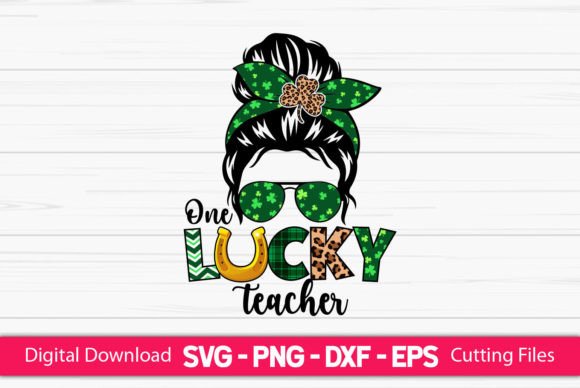
One Lucky Teacher Messy Bun: A Designer’s Review
As an embroidery designer who spends more time staring at digitized paths than I care to admit, I approach every new machine embroidery design with a mix of optimism and skepticism. We have all been there: you download a cute graphic, load it onto your machine, and watch in horror as the thread nests into a bird’s nest because the density was off or the underlay was nonexistent. That is why I took a close look at One Lucky Teacher Messy Bun before committing it to any client work or personal projects. This isn’t just about whether the image is cute—though it certainly is—it is about whether this digital embroidery file holds up under the needle.
First Impressions and Visual Personality
The first thing that strikes you about One Lucky Teacher Messy Bun is its relatability. The "messy bun" aesthetic has become a cultural shorthand for the busy, dedicated, yet effortlessly stylish educator. It captures a specific mood: organized chaos. From a design perspective, the layout balances the organic, flowing lines of the hair bun with the structured typography of the text. For those of us in the Crafts and Graphics space, we know that combining script or handwritten-style fonts with illustrative elements can be tricky. If the spacing is too tight, the stitches merge; if it is too loose, the design loses cohesion.
In this case, the visual personality feels warm and inviting. It does not scream for attention with overly complex details that might confuse a home embroiderer. Instead, it offers a clean silhouette that reads well from a distance. This is crucial for items like tote bags or sweatshirts, where the design needs to be legible without being scrutinized inch by inch. The theme fits perfectly into the current trend of personalized, lifestyle-oriented embroidery that appeals to teachers looking for something that represents their daily reality.
Real-World Application: The Tote Bag Test
To truly evaluate an embroidery project, you have to imagine it on fabric. I visualized this design on a heavy-duty canvas tote bag, a staple for teachers carrying books and graded papers. The One Lucky Teacher Messy Bun design sits naturally on the front panel of a standard tote. Because the design likely utilizes a mix of fill stitch for the bun and potentially satin stitch or running stitch for the text outlines, it provides a nice textural contrast against the coarse weave of canvas.
I also considered its application on a cozy fleece sweatshirt. Here, the design’s simplicity works in its favor. Complex, dense designs can make fleece bulky and uncomfortable. A design like this, which appears to have moderate stitch density, would lay flat and feel soft against the skin. For an Etsy seller or small shop owner, this versatility is a major selling point. You can market it as a custom apparel option for back-to-school gifts, teacher appreciation week, or end-of-year presents. The emotional connection buyers feel toward a design that "gets" their profession often translates directly into higher conversion rates.
Versatility Across Product Lines
Beyond totes and sweatshirts, this applique design or standard embroidery file (depending on the specific variation you choose from the package) has potential in several other areas. Consider an embroidered patch for a teacher’s lounge jacket or a denim apron for art teachers. The embroidered patch route allows you to stitch the design out on stabilizer-backed fabric, trim it, and then attach it via zigzag or merrow edge, giving it a professional boutique finish. This is particularly useful if you are worried about how the design interacts with difficult fabrics.
For baby items, such as a onesie for a teacher’s new child or a gift for a colleague, the scale might need adjustment. However, the core concept remains strong. Just ensure that if you scale it down significantly, the smaller details do not become lost. Always test on scrap fabric first. This is non-negotiable advice for any serious craft business. What looks good on screen can behave differently on cotton jersey versus polyester blend.
Technical Considerations and Stitching Clarity
Let’s talk about the technical side. When reviewing a digital embroidery file, I look for clean pathing. Does the machine jump excessively? Are there enough tie-offs to prevent unraveling? While I cannot inspect the actual code of One Lucky Teacher Messy Bun without loading it into my software, the visual output suggests a thoughtful approach to detail. The "messy" nature of the bun implies some texture, which is usually achieved through varied stitch angles. This is good for visual appeal but requires proper stabilizer usage.
If you are stitching this on stretchy fabric, like a t-shirt or a cap, a cut-away stabilizer is essential to maintain the shape of the bun. On woven fabrics like tea towels or pillow covers, a tear-away might suffice, but I always recommend testing. The thread colors you choose will dramatically affect the outcome. A monochromatic look using varying shades of brown or blonde can create depth in the hair, while a contrasting color for the text ensures readability. Avoid placing dark threads on dark fabrics without a proper underlay or backing, as the design will vanish.
Where to Use Caution
There are scenarios where this design might struggle. Curved surfaces, like the front of a baseball cap, require careful hooping. If the design is too wide, it may distort around the curve. Check the dimensions provided in the SVG PNG DXF EPS files to ensure it fits your specific hoop size. Additionally, if the text includes very fine serifs or tiny dots, these can get lost in low-quality stitching or on textured fabrics like terry cloth. Always inspect the small details in a preview mode before stitching.
Another consideration is washability. Teachers’ items get washed frequently. Ensure that your stitch density is high enough to hold up to agitation but not so dense that it perforates the fabric. A balanced machine embroidery design should survive dozens of washes without significant puckering or thread breakage.
Commercial Value and Brand Consistency
For small business owners and handmade product creators, the value of a design lies in its ability to enhance brand consistency. One Lucky Teacher Messy Bun fits well within a modern, casual aesthetic. It signals that your brand understands current trends and values personality. Using high-quality design assets like this helps build customer trust. When a buyer receives a personalized gift that looks professional and well-executed, they are more likely to return and recommend your shop.
This design also works well for printable mockups. Since the package includes SVG and PNG files, you can create digital previews for your online listings without having to stitch every single color variation. This saves time and materials, allowing you to showcase the design on various products virtually. It is a smart workflow for any digital product seller or commercial embroidery provider.
Final Verdict and Practical Notes
In conclusion, One Lucky Teacher Messy Bun is a solid addition to your library of embroidery files. It strikes a balance between trendy and timeless, with a layout that is generally forgiving for various skill levels. However, success depends on your execution. Always check the licensing terms provided with the download. Most designers allow commercial use for finished physical items, but restrictions may apply to reselling the digital file itself. Confirm this before listing products on Etsy or at craft fairs.
Remember to check the specific file formats included. The description mentions SVG, PNG, DXF, and EPS, which are primarily cutting machine formats. Ensure you have the correct embroidery file formats (such as PES, DST, or JEF) for your specific machine. If these are not explicitly listed in the WHAT YOU RECEIVE section, contact the seller or check the product page carefully. Never assume compatibility.
Ultimately, this design offers a charming, professional look for teacher-themed products. With the right fabric, stabilizer, and thread choices, it can become a bestseller in your small shop product lineup. Treat it with the respect it deserves by testing thoroughly, and it will serve your craft business well.